 English
  French
  Spanish
  German
  Russian
Leaking track rollers?
Damaged carrier rollers?
Weak travel power?
Uneven track tension?
During intense “battles on the jobsite,” these issues bring endless frustration to operators.
So how do you keep your excavator performing like a “sharp blade that never dulls”?
There’s real knowledge behind it!
Proper maintenance of the undercarriage (“four wheels and one track”) ensures every operation is smooth, stable, and worry-free.
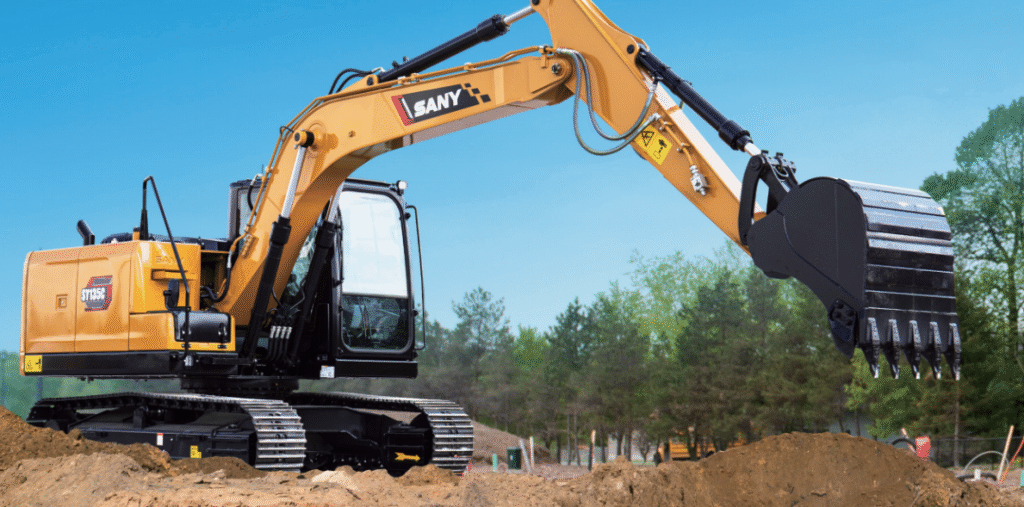
- Track Roller (Bottom Roller) Maintenance
Avoid leaving the track rollers submerged in muddy water for long periods.
After each workday, lift one side of the track and rotate the travel motor to shake off mud, stones, and debris.
During winter operations, keep the rollers dry. The rollers have floating seals between the outer wheel and the shaft; if water freezes overnight, movement the next day may scratch the seals, causing oil leakage.
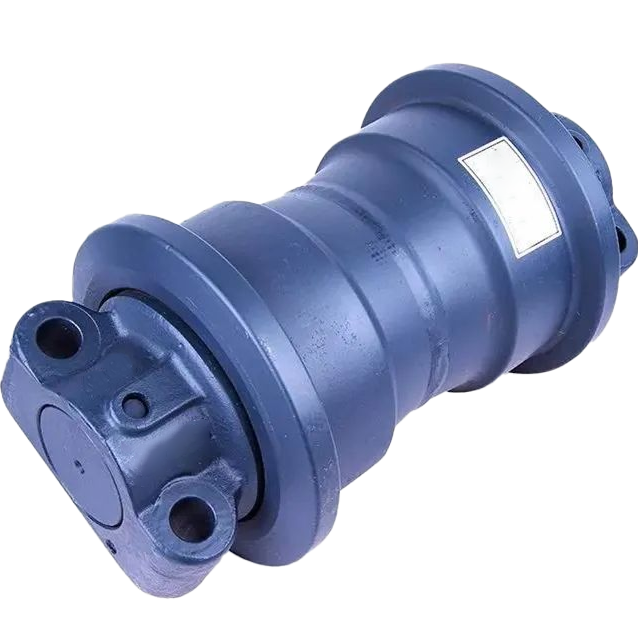
Note:
A damaged track roller can cause serious issues such as travel deviation and reduced travel speed. If one roller needs replacement, it’s recommended to replace all rollers on the same side. Mixing new and old rollers on one side will cause rapid wear of the new rollers.
2. Carrier Roller Maintenance
- The carrier roller is an important undercarriage component located on top of the X-frame. It is lubricated with a one-time oil fill; if it leaks, it must be replaced.
- Keep the sloped platform of the X-frame clean. Excessive mud or stones may obstruct the roller’s rotation, so cleanliness and proper lubrication are key.
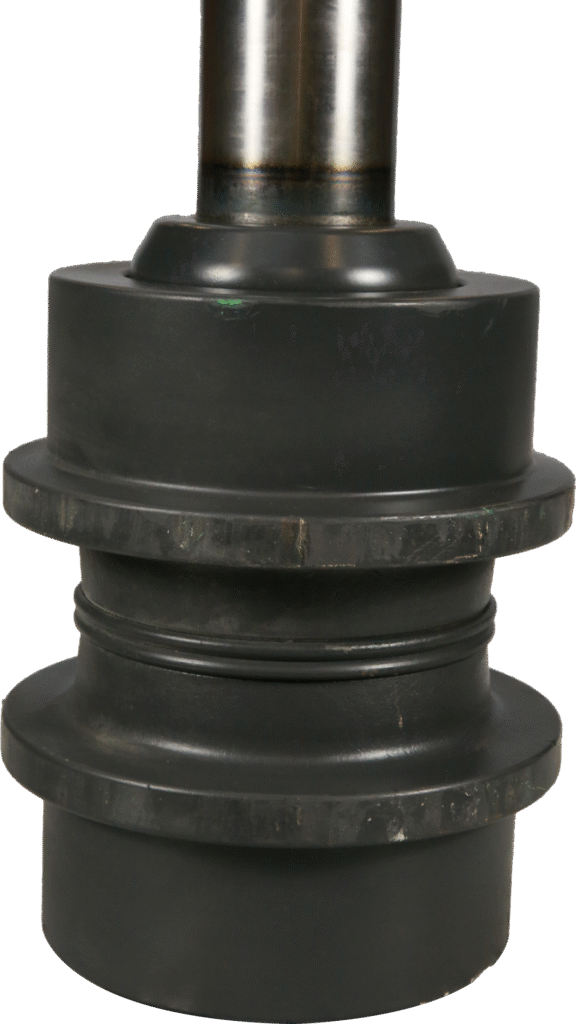
Note:
Carrier rollers help keep the track chain running straight. If damaged, they will cause misalignment of the track chain.
- Idler Maintenance
During operation and travel, keep the idler facing forward to avoid abnormal wear on the track chain.
The recoil spring also absorbs shock from the ground during work, reducing wear on undercarriage components.
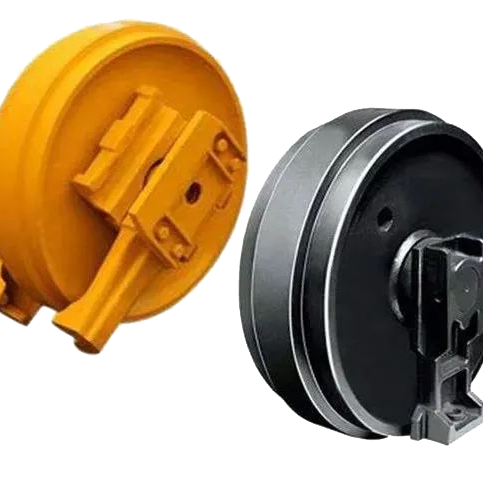
- Drive Sprocket Maintenance
Regularly inspect the drive sprocket during operation:
Check for cracks or significant damage on the surface.
Use a travel motor guard to protect the motor.
Remember to open the guard periodically to clean out dirt buildup to prevent corrosion at hose joints, which may otherwise damage the drive sprocket.
- Track Maintenance
Track shoes come in standard and long-shoe designs depending on the working conditions.
During travel, stones may get stuck between the gaps of two track shoes. When the track rotates to ground contact, the pressure can cause the shoes to bend or deform. Long-term use may also cause cracking around the track shoe bolts.
Note:
Track tension should be adjusted based on jobsite conditions.
If too tight: premature wear of track links, sprockets, and idlers.
If too loose: the track may derail.